How to build a developer portal third-party developers will actually use
APIs & docs are table stakes, learn how to build something truly useful.
Building a developer portal: a product team's guide
You know the drill. Your B2B SaaS product is growing, and with growth comes the inevitable demand for integrations. Customers want your tool to talk to theirs. Partners want to build on your platform. Suddenly, your API documentation isn’t just a nice-to-have. It’s a bottleneck.
This is where a real developer portal enters the picture. For product teams, building a developer portal isn’t just a technical task. It’s a strategic move to unlock new growth, foster an ecosystem, and scale your product’s value. But what does it actually take? Let’s break it down.
Docs and APIs versus a full developer portal
Quick distinction. API documentation is table stakes. It’s a static manual with endpoints, parameters, and maybe a code sample or two.
A developer portal is something entirely different. It’s the full workshop.
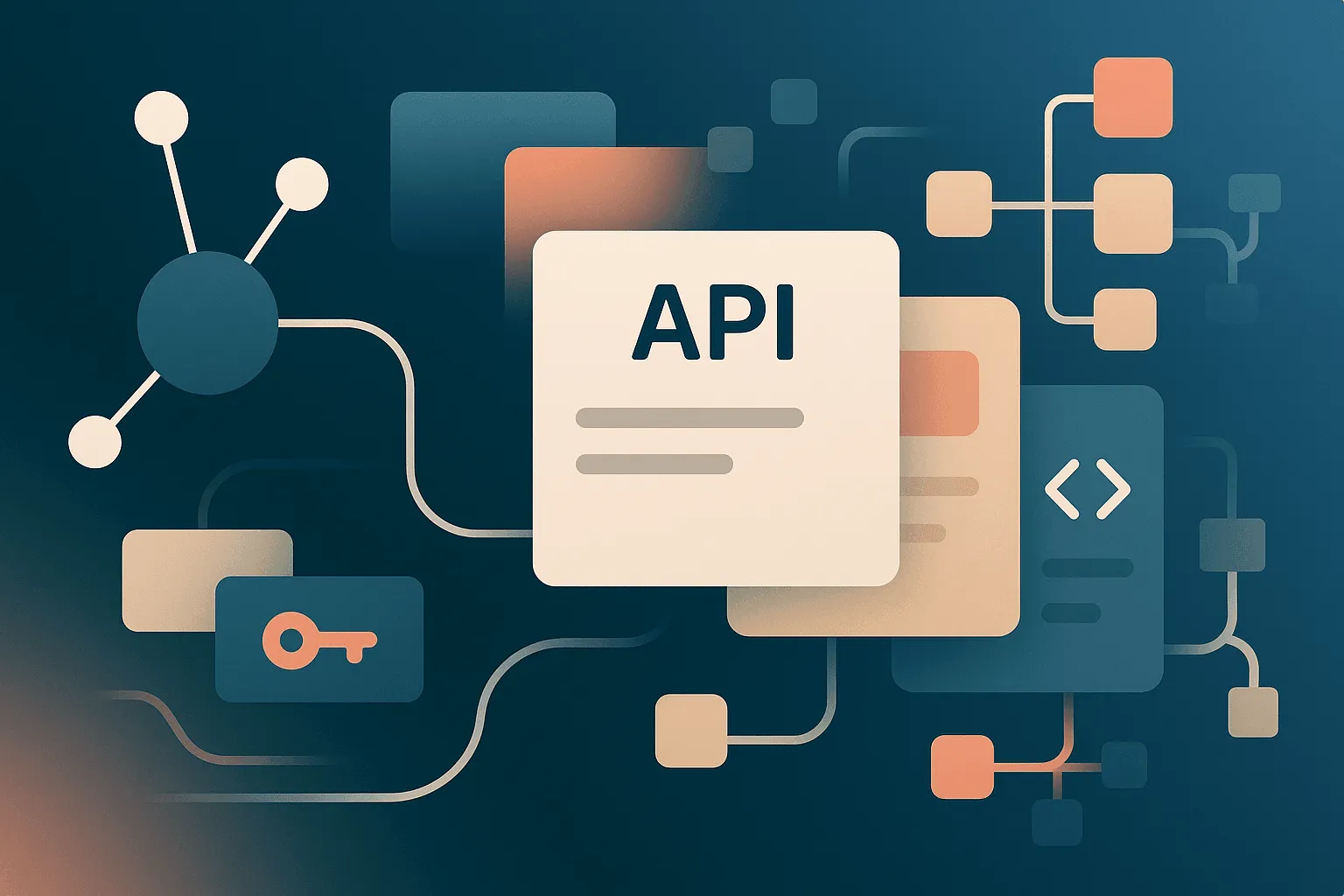
It’s an active, central hub where developers don’t just read about your APIs; they engage with them. They can grab API keys, test endpoints, explore SDKs, follow tutorials, get support, and even discover what other developers have built. This is where your integration ecosystem actually lives.
For product teams, this is the shift. You’re not just publishing docs. You’re building a product for developers.
Core components of a strong developer portal
A portal that developers return to again and again includes a few core elements.
Start with clear, up-to-date API reference documentation. Searchable, structured, and easy to navigate. Layer on SDKs and code samples to remove friction and help developers get to “hello world” faster. Quickstarts and tutorials guide them through common use cases.
Next, build in interactivity. A sandbox environment lets developers experiment without touching production. API key management lets them generate and rotate keys securely and without manual steps.
You also need a clear path to help. A community forum or support channels, a status page, and a changelog all build trust. Developers want to know that when something breaks or changes, they aren’t guessing.
Technical prerequisites for success
A great developer portal isn’t just content. There’s plumbing underneath that keeps it reliable and scalable.
You need strong authentication and authorization so developers can securely access keys and any private docs. Version control ensures your documentation evolves with your APIs. No stale examples causing integration churn.
Your CMS should make it easy for PMs and technical writers to update content without engineering bottlenecks.
And don’t skip analytics. You should know which APIs get traction, where developers drop, and what content solves real problems. That’s how product teams iterate well.
Understanding your user personas and their journeys
Before you build anything, get clear on who’s actually using this portal and what they need to accomplish.
Your core users typically include:
- Individual developers: They want clarity, examples, and a way to test things quickly.
- Product managers or technical leads: They’re evaluating feasibility and value, not just syntax.
- Business users: Often searching for prebuilt integrations instead of writing code.
- Partners: Companies building on your platform who need both technical resources and a go-to-market path.
Each persona has a different journey.
A developer journey might look like: discover → understand → get a key → build → test → deploy → request help.
A partner journey might look like: explore partner program → build an app → submit for review → market → monitor adoption.
Mapping these journeys helps you design a portal that removes friction instead of creating it.
Build versus buy: a critical decision
This is one of the biggest strategic choices product teams face.
Building from scratch gives you full control. But it’s a heavy, ongoing investment. Your engineers will own infrastructure, security, content systems, and maintenance forever. And that’s time not spent on your core product.
Buying a solution gets you live faster with best practices built in. You trade some customization for speed, stability, and far less engineering overhead. For many B2B SaaS products, that’s the smarter move. It frees your team to focus on what actually differentiates your platform.
Decide your best path forward
We've worked with mid-market and enterprise SaaS teams on implementing a developer portal, and where to start. Book some time and we can help you out!
Let's talk
Scoping your first iteration
You don’t need to launch the perfect developer portal on day one. Start lean, validate, and grow based on real usage.
Your minimum viable developer portal (MVDP) likely includes:
- Core API reference documentation
- A simple quickstart guide
- API key management
- A clear way to get support
Launch that. Invest further only once you see where developers actually engage or get stuck.
Does it need an app marketplace built in? (probably yes)
If your goal is a real integration ecosystem, the answer is usually yes.
A developer portal handles the build side. An integration marketplace handles discovery and adoption. You need both if you want your ecosystem to grow rather than sit idle.
Developers want a distribution path. Customers want a clear place to find integrations. Without a marketplace, partner-built integrations live in the shadows. With one, you create a clean loop:
Developers build → you review → customers adopt → usage drives more developers to build.
That’s how products become platforms.
A strategic asset, not just a website
A developer portal isn’t documentation. It’s ecosystem infrastructure. It empowers developers, accelerates partner onboarding, drives integration adoption, and reduces support load. Most importantly, it grows the value of your product without growing headcount at the same rate.
Approach it with a clear strategy. Design for your real users. Make smart build-versus-buy decisions. And connect it to a marketplace if you want meaningful ecosystem growth.
Ready to power your integration ecosystem?
A strong developer portal is key to unlocking growth and scaling your product’s value through integrations.
Book a demo
Keep reading
Browse all posts
Partner Fleet launches In-App Marketplace, bringing integration adoption inside the product
The new module gives companies a conversion-optimized integration experience for their customers, plus the analytics to prove what integrations are worth.
Partnerships in 2026: Retention is the real growth lever
Get it right early, and you'll have a great year.
How Mindbody built the #1 integrations marketplace in fitness tech
A powerhouse company with a powerhouse marketplace.