
Why the Greenhouse Integrations Marketplace Sets the Bar for HR Tech
An HR tech directory worth studying closely.

Let’s talk marketplaces.
In B2B SaaS, integration ecosystems aren’t optional anymore. They shape how buyers evaluate platforms, how customers extend value, and where partners choose to invest.
In most companies, that ecosystem lives or dies by the quality of the marketplace experience.
At Partner Fleet, we spend a lot of time studying app marketplaces and integration directories across SaaS. Many are serviceable. Some are cluttered. A few stand out as clear examples of what “done right” actually looks like.
One of those standouts is the Greenhouse Integrations Marketplace.
If you’re building an HR tech directory, an app marketplace, or any kind of partner discovery layer, this is one worth studying closely. It shows what happens when design, partner strategy, and user experience are treated as first-class citizens.
Here are seven reasons the Greenhouse Integrations Marketplace sets the bar.
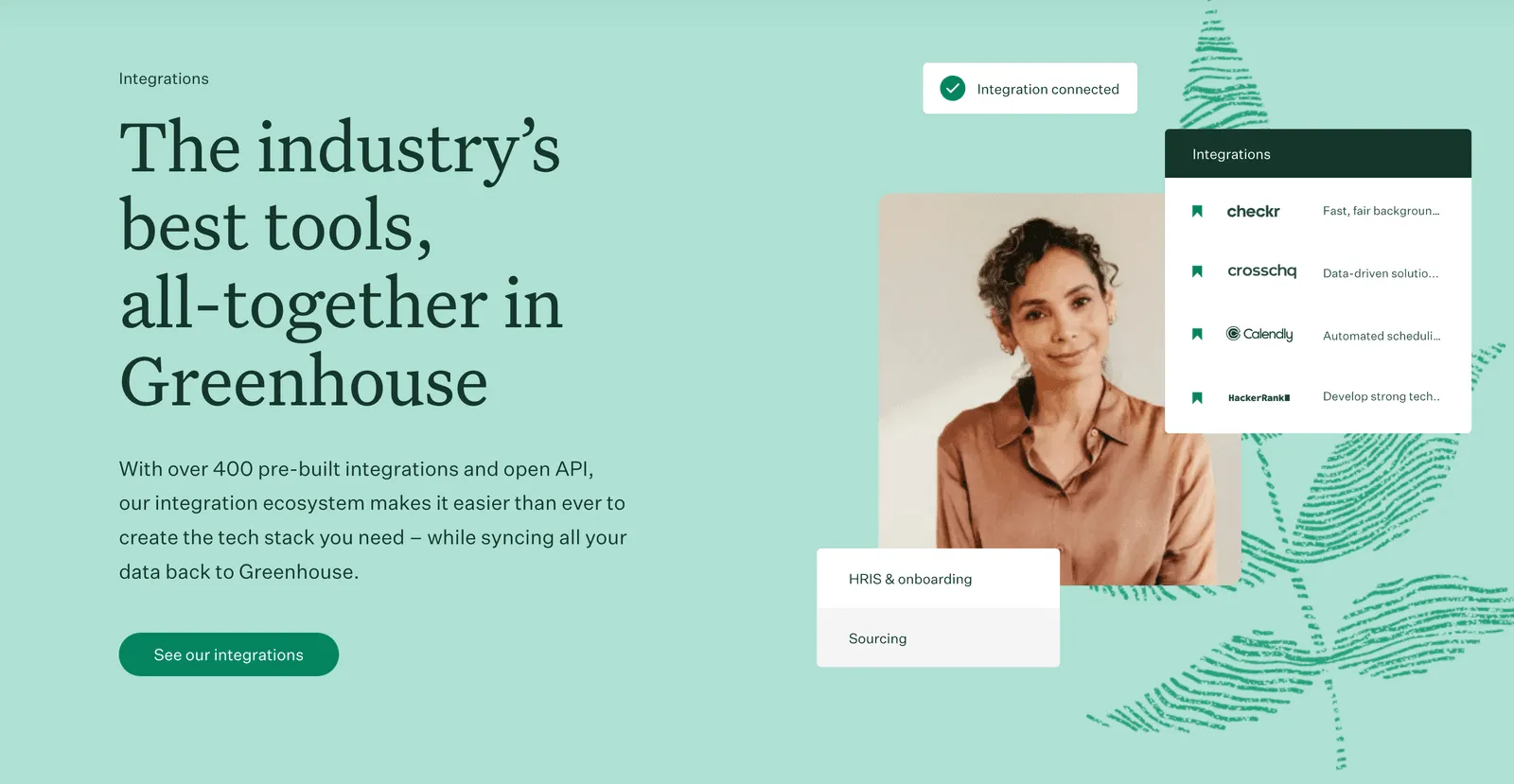
Thoughtful design that feels unmistakably Greenhouse
This marketplace works visually because it’s intentional.
The design is clean, subtle, and consistent with the Greenhouse brand. The use of Greenhouse green alongside partner logos feels cohesive without overwhelming the page. Nothing feels generic or templated.
That matters more than it sounds. Marketplace design directly impacts trust. When a directory looks polished and purposeful, users assume the integrations behind it are too.
Clear emphasis on alliance and preferred partners
Right away, Greenhouse highlights its Alliance Partners and Preferred Partners.
This does two important things at once. It guides users toward deeper, more strategic integrations, and it signals which partnerships Greenhouse stands behind most strongly.
For customers, that reduces guesswork. For partners, it creates clear incentives and structure. It’s a simple move that adds a lot of clarity.
A strong balance of categories and filters
Discoverability is where most marketplaces fall short. Greenhouse gets it right.
Users can browse by integration type and company category, then narrow results using filters like location, language, company size, and specific functionality. The experience feels powerful without feeling heavy.
This kind of structure scales. As ecosystems grow and long-tail integrations expand, thoughtful filtering becomes the difference between a useful marketplace and an overwhelming one.
Embedded partner demo requests on every listing
Every listing includes an embedded partner demo request form in the sidebar.
That small detail removes a lot of friction. Users don’t need to leave the marketplace or hunt for next steps. Partners get warmer, higher-intent leads. Sales cycles move faster.
This is marketplace UX doing real work, not just looking nice.
Listings that actually help users make decisions
Greenhouse listings are built out properly.
Descriptions are thorough. Feature lists are clear. Many listings include visuals that help explain how the integration works or what problem it solves. This gives users enough context to understand value before ever talking to sales.
It also sets a higher bar for partners, which improves the overall quality of the ecosystem.
A partnership team that runs a tight program
High-quality listings don’t happen by accident.
The consistency across the Greenhouse Integrations Marketplace points to a partnership team that works closely with partners, sets expectations, and maintains standards. The result is faster launches, clearer positioning, and a more reliable experience for users.
Operational rigor is an underrated part of marketplace success. Greenhouse clearly treats it as core.
Built for organic discovery from day one
The marketplace is clearly SEO-optimized.
That means individual integration pages surface when buyers search for specific HR workflows or tools. Partners benefit from organic exposure. Greenhouse benefits from sustained ecosystem visibility. Users find answers earlier in their research journey.
SEO isn’t a growth hack here. It’s part of how the ecosystem compounds value over time.
A blueprint that others can follow
None of this is accidental.
Every element of the Greenhouse Integrations Marketplace reflects intentional ecosystem design, from visual hierarchy to partner workflows to discovery mechanics. It’s a strong reminder that great marketplaces are built, not bolted on.
This marketplace was built on Partner Fleet, and we’re genuinely proud of the collaboration. The Greenhouse team brought clear vision, strong design instincts, and a deep understanding of what their ecosystem needed to support customers and partners at scale.
What to take from the Greenhouse Integrations Marketplace
The Greenhouse Integrations Marketplace works because it treats the ecosystem like a core product experience, not a supporting page.
If you want to emulate what they’ve built, focus on a few fundamentals:
- Design with intent. A clean, brand-forward interface builds trust and makes the marketplace feel like a natural extension of the platform, not an afterthought.
- Prioritize discovery. Clear categories, smart filters, and featured partner sections help users find the right integrations quickly, even as the ecosystem scales.
- Remove friction at every step. Embedded demo requests and well-structured listings shorten the path from interest to action.
- Invest in listing quality. Detailed descriptions, feature breakdowns, and visuals turn integrations into real decision-making assets, not just logos.
- Run the marketplace like a program. Consistency across listings signals strong partner operations and ongoing ownership, not a one-time launch.
Greenhouse didn’t build a marketplace just to show integrations exist. They built it to help customers choose confidently, help partners convert faster, and help the ecosystem scale with clarity.
That’s the standard worth borrowing from.
Build your integrations hub
See how teams like Greenhouse design marketplaces that drive discovery, adoption, and partner value.
Book a demo
Keep reading
Browse all posts
Partner Fleet launches In-App Marketplace, bringing integration adoption inside the product
The new module gives companies a conversion-optimized integration experience for their customers, plus the analytics to prove what integrations are worth.

Partnerships in 2026: Retention is the real growth lever
Get it right early, and you'll have a great year.

How Mindbody built the #1 integrations marketplace in fitness tech
A powerhouse company with a powerhouse marketplace.