Why AI platforms need a developer ecosystem from day one
What to do when customers ask for ten more things from your AI.
Launching an AI platform is exciting. The model works. The demo lands. The roadmap is ambitious.
Then reality hits.
Your AI does one thing really well, but customers immediately ask for ten more things. Different data sources. Different workflows. Different industries. Different edge cases.
That gap is where most AI platforms stall.
The fastest way around it is not more internal roadmap work. It is a developer ecosystem, built from day one.
The lonely AI problem
An AI platform without a developer ecosystem is a strong core with no surface area. Powerful, but narrow.
You ship a great agent. Customers like it. Then they ask:
- Can it connect to our CRM?
- Can it work with our internal tools?
- Can it handle our industry-specific workflows?
- Can we customize it without waiting six months?
If the answer is always “not yet,” adoption slows. Expansion slows. Churn risk goes up.
This is not a technology problem. It is a distribution and leverage problem.
Why early ecosystems win in AI
AI platforms scale differently than traditional SaaS. The value is not just in what the model can do. It is in how easily it fits into real workflows.
That only happens when external builders are involved early.
When developers can build on your platform from day one, a few things happen fast:
- Time to value drops. Customers get solutions that actually match their workflows.
- Use cases multiply. Developers build things you would never prioritize internally.
- Switching costs rise. Integrations and custom agents create real platform stickiness.
- Your TAM expands. Vertical and niche use cases show up without bloating your core product.
This is how an AI product becomes a platform instead of a feature.
The AI agent marketplace effect
The most durable AI platforms will not ship every agent themselves.
They will host them.
An AI agent marketplace lets developers build, publish, and maintain agents that:
- Solve industry-specific problems
- Connect to niche data sources
- Automate workflows your core team should not own
This turns your platform into infrastructure, not just software.
We have seen this movie before.
Salesforce did not win because it shipped every feature.
HubSpot did not scale by owning every integration.
They created ecosystems that made the platform bigger than the company.
AI platforms that skip this step end up rebuilding the same integrations over and over, or worse, saying no to customer demand.
Turn your AI into a platform
See how a modern developer portal helps AI teams attract builders, ship integrations faster, and scale use cases without bloating the roadmap.
Book a demo
What “developer ecosystem” actually means
This is not just an API page and a GitHub repo.
A real developer ecosystem includes:
- A developer portal
Clear docs, authentication guides, examples, and submission paths. Developers should know exactly how to build, test, and ship on your platform. - An integration and agent marketplace
A public place where customers can discover what has been built, and developers can get distribution for their work. - Partner workflows
Submission, review, updates, versioning, and analytics. If it is painful to maintain listings, the ecosystem dies quietly. - Incentives and visibility
Recognition, co-marketing, and real demand. Developers build where adoption exists.
This is how you avoid a ghost-town ecosystem.
Why this matters to leadership
From an exec perspective, this is not about developer goodwill. It is about leverage.
A strong developer ecosystem:
- Reduces internal build pressure
- Accelerates enterprise adoption
- Expands use cases without expanding headcount
- Positions your AI as a platform, not a tool
That positioning matters when buyers compare you to the next AI product that looks identical on paper.
Build the ecosystem before you need it
The mistake most AI platforms make is waiting.
They wait until customers demand integrations.
They wait until sales asks for enterprise features.
They wait until competitors ship marketplaces.
By then, you are reacting instead of compounding.
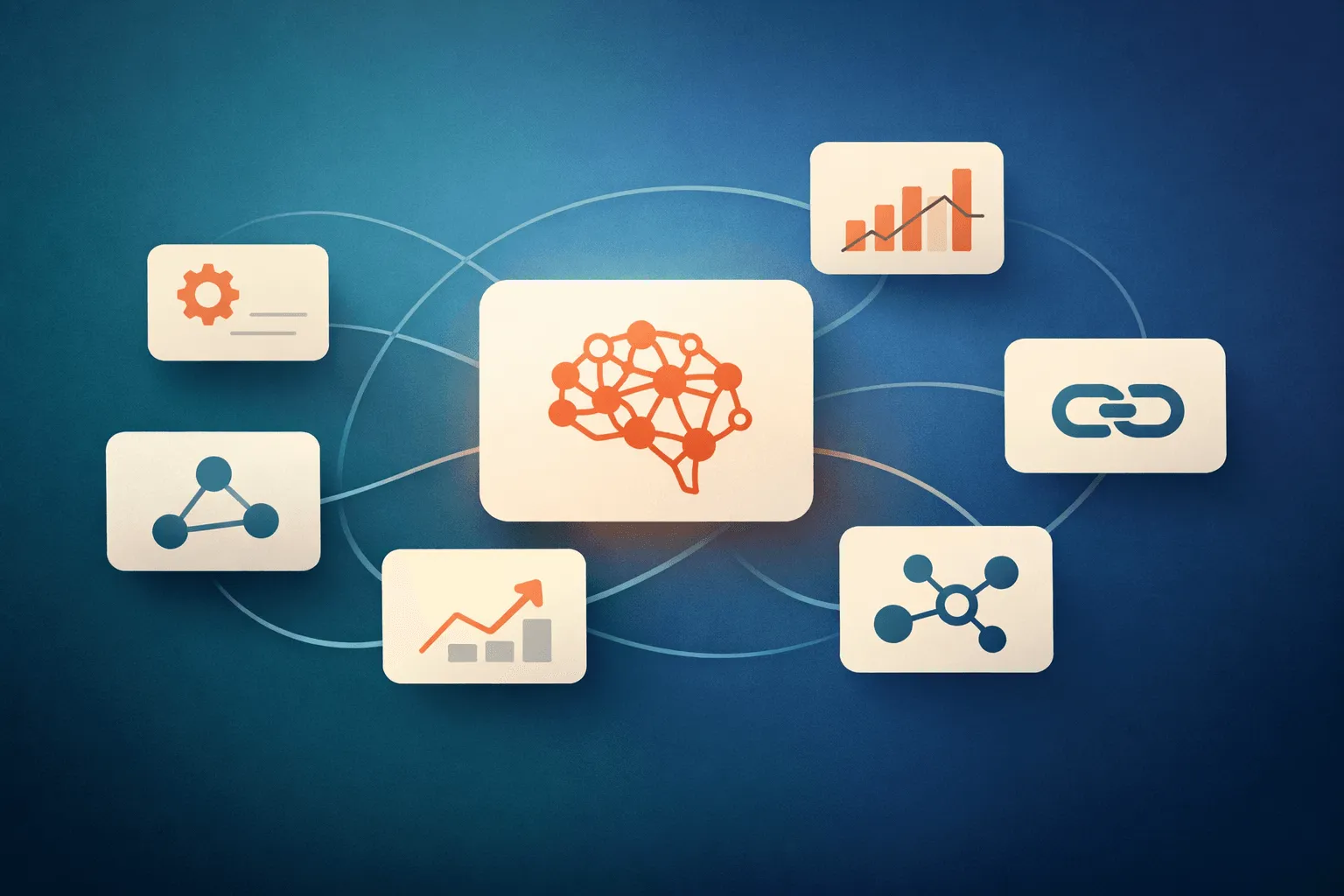
If AI is the brain, the ecosystem is the nervous system. Without it, intelligence never reaches the edges.
Build your AI agent marketplace without rebuilding your stack
Launching a developer ecosystem does not mean stitching together docs, CMS pages, and custom workflows by hand.
Partner Fleet helps AI platforms launch:
- developer portals
- integration and AI agent marketplaces
- partner submission and approval workflows
All without pulling engineering into content maintenance.
If you are serious about becoming a platform, not just an AI feature, it starts here.
Book a demo and see how teams are building developer ecosystems from day one.
Keep reading
Browse all posts
How Phenom turned 200 idle partners into $500K+ in partner program revenue
How Phenom built a tiered partner program and earned $500k+ in partner program revenue in under one year.

Partner Fleet launches In-App Marketplace, bringing integration adoption inside the product
The new module gives companies a conversion-optimized integration experience for their customers, plus the analytics to prove what integrations are worth.

Partnerships in 2026: Retention is the real growth lever
Get it right early, and you'll have a great year.