The hidden cost of unclear integration priorities
tl;dr it's your high-value engineer's time.
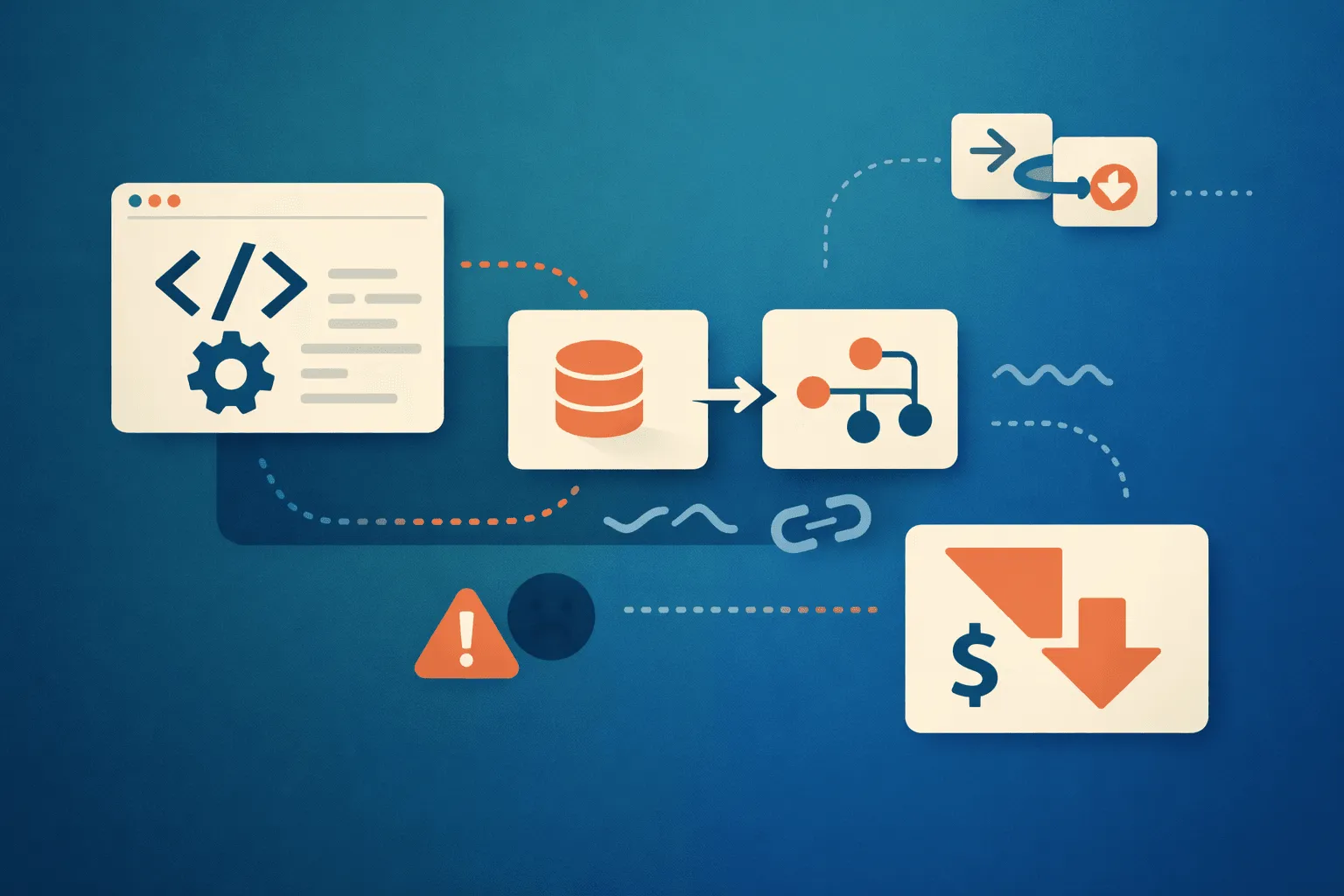
Integration priorities sit at the intersection of product strategy, partner demands, and engineering capacity. When those priorities aren’t clearly defined, teams default to shipping what’s loudest or most urgent.
Over time, that approach turns integration work into a slow, compounding drain on engineering resources.
How engineering time gets wasted in two different ways
When integration priorities aren’t clear, engineering pays the price.
Not just once. Repeatedly.
Most B2B SaaS teams recognize the obvious cost: building integrations that don’t get used. But there’s a second, often larger cost hiding in plain sight, one that quietly drains engineering capacity long after the integration ships.
Together, these two issues explain why integration work so often feels expensive, slow, and hard to scale.
Cost #1: Building long-tail integrations that never earn their keep
An integration request comes in tied to a deal, a partner relationship, or a specific customer need. It sounds reasonable. The effort seems contained. So it gets prioritized.
Months later, the numbers tell a different story.
Adoption is low. Only a small slice of customers use it. Revenue impact is marginal or impossible to isolate. Yet the integration still exists, still needs support, and still pulls engineering attention when something breaks.
This is the classic long-tail integration problem.
Individually, these integrations don’t seem dangerous. Collectively, they consume a meaningful portion of engineering capacity with very little return. The opportunity cost is real: every low-impact integration displaces work that could have strengthened the core product or powered a higher-leverage ecosystem investment.
Cost #2: Death by a thousand integration updates
The second cost is less obvious, and often more damaging over time.
Many companies manage integrations directly inside their product UI. Logos, descriptions, categories, screenshots, positioning, naming. All of it lives in the core codebase.
That means every small update becomes an engineering task.
A partner rebrands.
A logo changes.
Copy needs to be refreshed.
A category no longer fits.
Messaging shifts as the company evolves.
None of these are complex tasks. Most take 10 to 15 minutes of actual work.
But they don’t take 10 to 15 minutes of engineering time.
They wait for sprint planning. They compete with roadmap items. They get bundled, deferred, or reworked. Weeks pass before simple changes go live. Meanwhile, outdated integrations pile up, and each new integration increases the volume of future maintenance.
This is how dozens of tiny tasks quietly turn into a material tax on engineering focus.
Working in integrations? Get the data.
We collected data from 100+ leaders about what's happening with integrations. Download the report to get the 2025 insights.
Get the report
Why this keeps happening
Both problems stem from the same root cause: integration decisions are made without a shared prioritization model between product and partnerships.
Partnerships teams optimize for relationships, deals, and coverage. Product teams optimize for adoption, coherence, and scale. Engineering gets caught executing both without a clear standard for what deserves ongoing investment.
So teams default to building everything and maintaining it all in the hardest possible place: the product itself.
The result is an integration ecosystem that grows in surface area but not in impact.
A better way to use engineering time
The fix isn’t building fewer integrations. It’s being intentional about which integrations engineering owns.
High-impact, strategic integrations belong on the product roadmap. They justify deep investment because they drive adoption, differentiation, or platform leverage.
Long-tail integrations and ongoing listing maintenance do not.
Those belong in a system designed for scale. One where partners and non-engineering teams can manage listings, updates, and content without touching the core product. One where engineering enables the ecosystem instead of manually maintaining it.
When you separate high-leverage integration work from long-tail enablement, two things happen:
- engineering time is protected for work that compounds
- integrations stay accurate, current, and discoverable without slowing the product roadmap
The real payoff
Unclear integration priorities don’t just waste engineering time. They erode trust in the roadmap, slow execution, and make ecosystems harder to manage as they grow.
When product and partnerships align on what merits engineering investment, and when the rest is handled outside the core product, integrations stop being a drain and start becoming an asset.
If your team is feeling the weight of too many low-impact integrations or too much engineering time spent on simple integration updates, it’s a sign the system needs to change.
Book a demo to see how Partner Fleet helps teams centralize integration management, offload long-tail maintenance, and protect engineering time for the work that actually moves the business forward.
Try Partner Fleet
Partner Fleet helps teams centralize integration management, offload long-tail maintenance, and give engineering space to focus on high-impact work.
Start with a demo
Keep reading
Browse all posts
Partner Fleet launches In-App Marketplace, bringing integration adoption inside the product
The new module gives companies a conversion-optimized integration experience for their customers, plus the analytics to prove what integrations are worth.
Partnerships in 2026: Retention is the real growth lever
Get it right early, and you'll have a great year.
How Mindbody built the #1 integrations marketplace in fitness tech
A powerhouse company with a powerhouse marketplace.